|
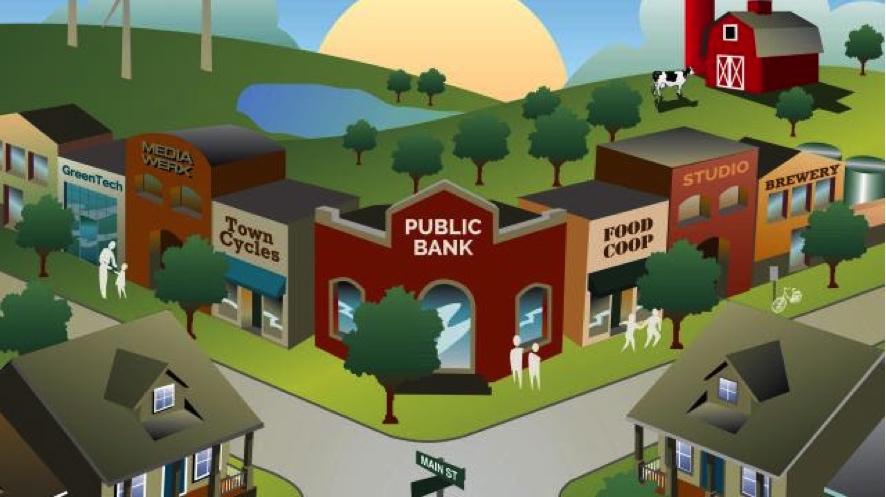
Public banks are an economic and policy tool used by governments around the world for over five centuries that have re-popularized since the 2008 financial crisis for their capacity to lend to developing sectors (e.g. clean energy), support underinvested communities, and provide counter-cyclical financing. Existing research and contemporary policy discourse debates the economic functions of public banks, yet no systematic studies examine what leads governments to form them in the first place, in part due to a lack of data. This paper introduces an original dataset, conceptual framework, and descriptive empirical insights to serve as the basis for future research. Read more here.
|